UAE Oil Spill: Beach Closures Expand as Authorities Assess Coastal Risks
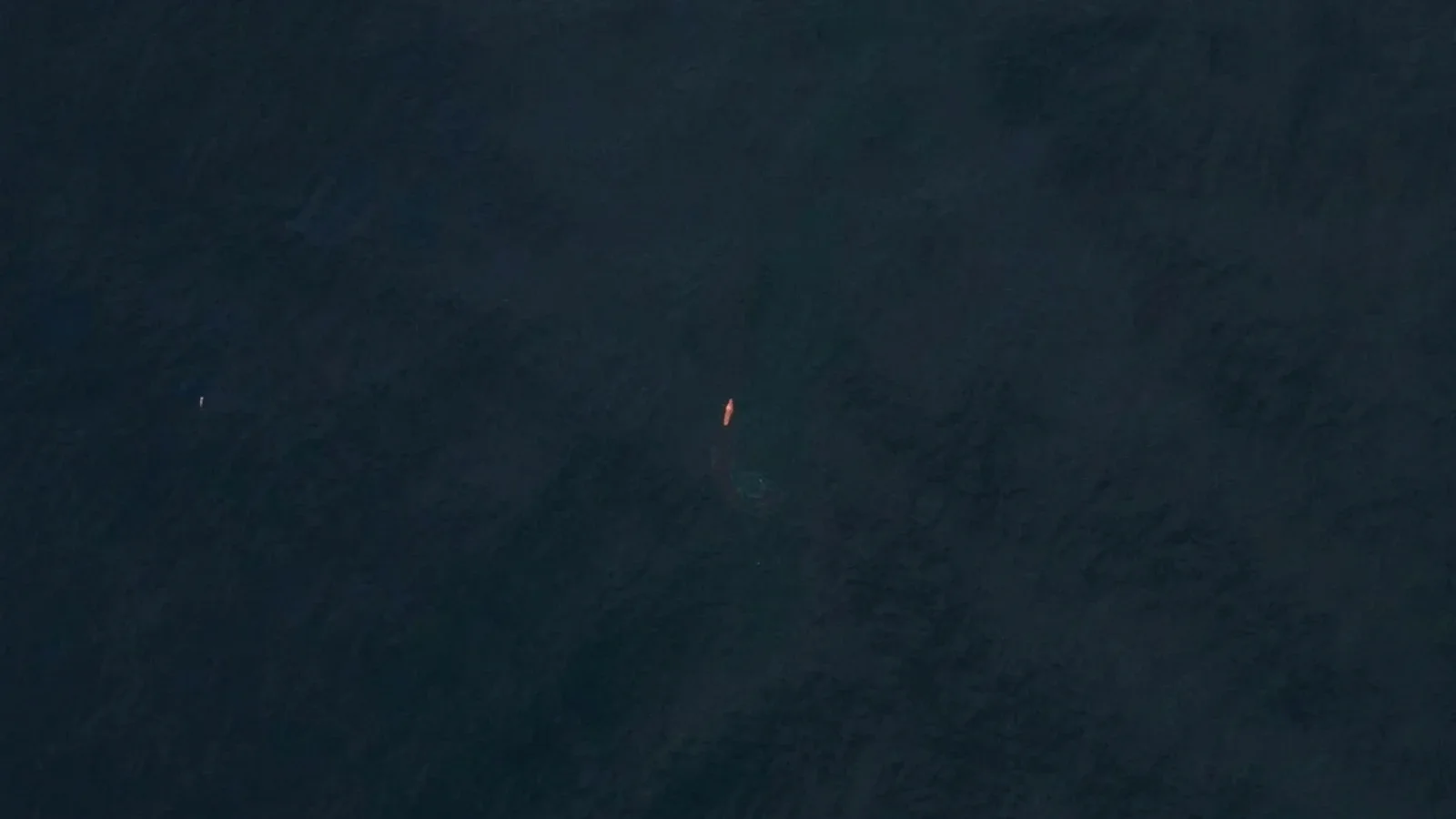
Authorities across the UAE are continuing to respond to an offshore oil spill that has prompted precautionary beach closures in Sharjah, Ras Al Khaimah and Umm Al Quwain.
The incident has raised concerns about coastal pollution, marine life and the potential risks to nearby desalination infrastructure as specialist teams work to assess the spill and limit its impact.
The Ministry of Climate Change and Environment confirmed the spill on October 23 after residents reported unusual fuel-like odours in parts of the country.
Which UAE beaches are closed?
Several coastal areas in the Northern Emirates have been affected by temporary restrictions.
Ras Al Khaimah: Public beaches have been closed until further notice.
Umm Al Quwain: Beaches and coastal areas remain subject to temporary closures while assessments and environmental protection measures continue.
Sharjah: Authorities have announced precautionary closures of city beaches, following an earlier closure at Al Hamriyah Beach.
The restrictions are intended to protect the public and help authorities manage the potential spread of marine pollution. Reopening will depend on official assessments and further announcements.
Residents and visitors should check with the relevant emirate's authorities before travelling to the coast.
Why is the oil spill raising concern?
Oil spills can affect marine ecosystems, contaminate shorelines and threaten wildlife. Their impact depends on the type and quantity of oil released, weather conditions and how the slick moves through the water.
Reuters reported on October 29 that the spill had raised particular concern because of its proximity to the Naqa'a desalination plant near Umm Al Quwain.
Desalination facilities are important to the UAE's drinking-water supply because they convert seawater into freshwater. Oil entering a facility's seawater intake can complicate treatment and may require precautionary operational measures.
However, authorities have not announced that the plant has been shut down because of this incident. The extent of the spill and its potential impact remain under assessment.
What should residents and beachgoers do?
People planning coastal visits should follow these precautions:
Avoid beaches and coastal areas officially closed by local authorities.
Do not swim or fish in affected waters until restrictions are lifted.
Avoid touching suspected oil deposits or contaminated debris.
Follow official announcements rather than unverified social media reports.
Check local guidance before travelling to beaches or coastal resorts.
Residents who notice unusual pollution along the shoreline should report it through the relevant local authority's official channels.
Are Dubai beaches affected?
The reported closures have focused on Sharjah, Ras Al Khaimah and Umm Al Quwain. This does not mean every UAE coastline is affected equally.
Oil movement depends on sea currents, winds and other environmental conditions. Residents in Dubai should consult official local updates before making beach plans rather than assuming that restrictions in another emirate automatically apply to Dubai.
What happens next?
Authorities are continuing to assess coastal conditions and the environmental effects of the spill. Further updates are expected as the response progresses and officials determine when affected areas can safely reopen.
For residents, the immediate priority is to respect temporary closures and rely on verified information about local conditions.
Inside Dubai will continue to follow developments affecting UAE residents, coastal communities and the wider environment.
This report reflects information available on 29 October 2026. The situation may change as authorities release further updates.